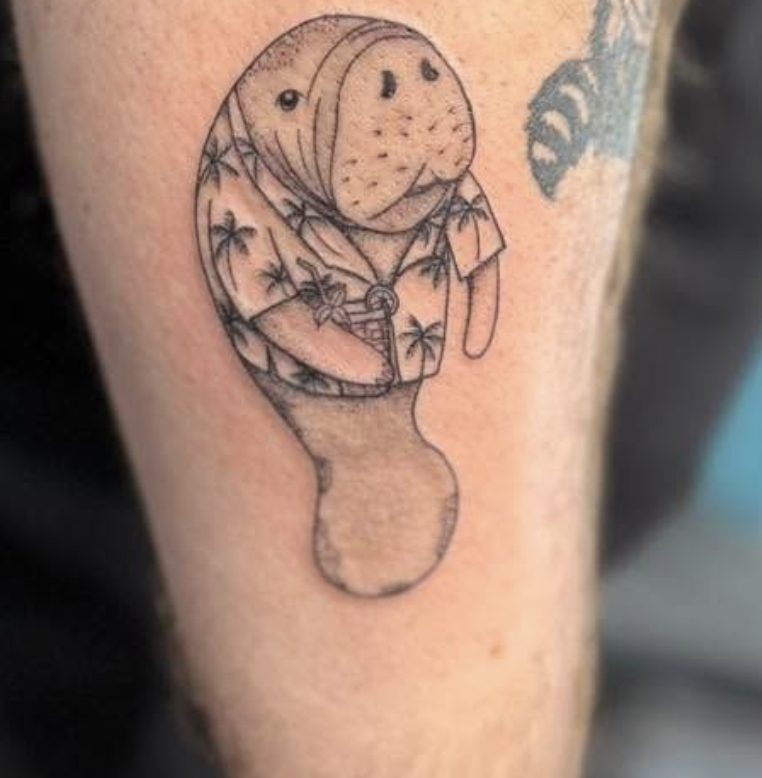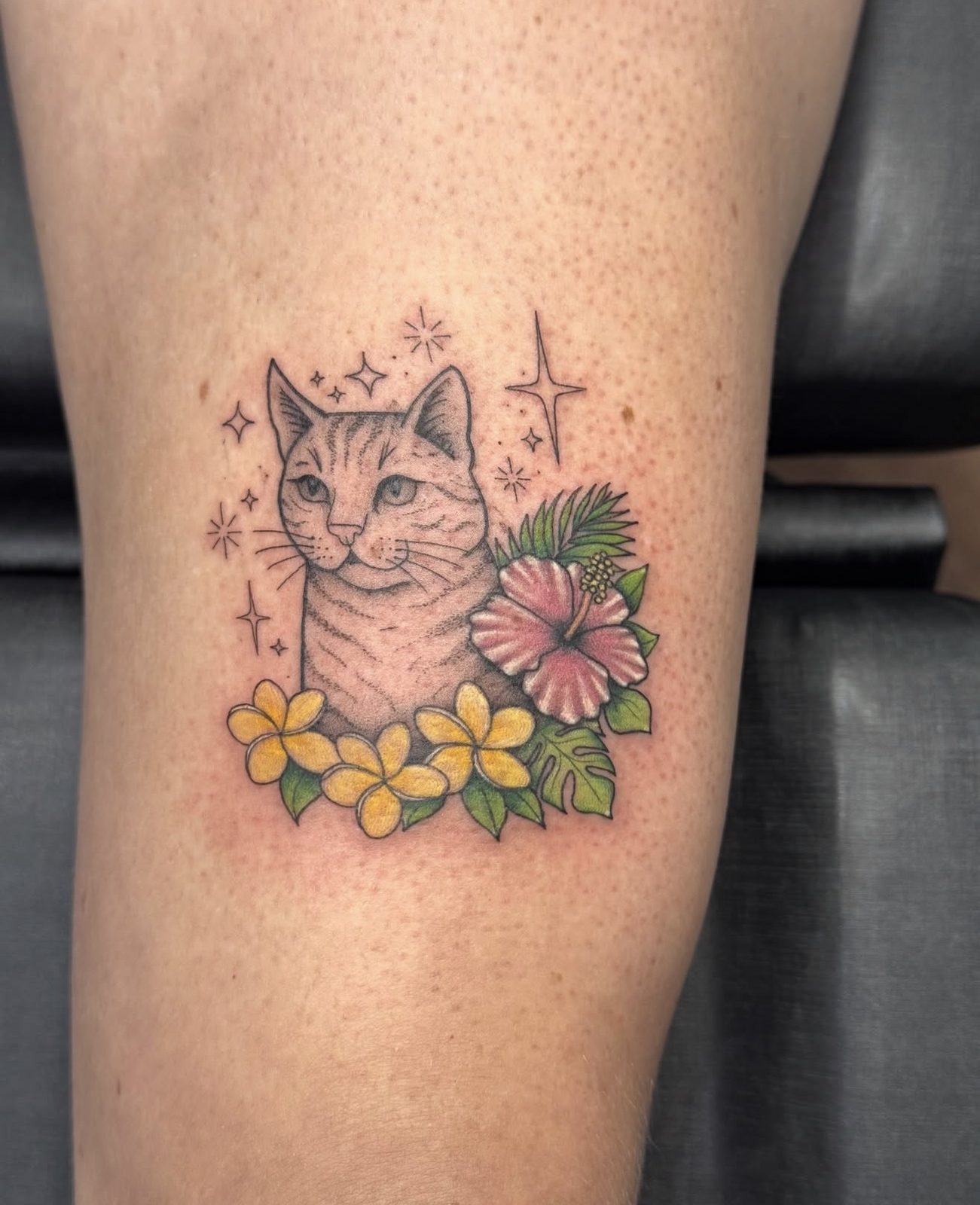
Tattoos are often judged at a glance. Small tattoos are assumed to be easy. Quick tattoos are assumed to be simple. Lower prices are assumed to mean better value.
None of that is true.
The Truth About Small Tattoos
In reality, some of the most technically demanding tattoos are the smallest ones. Fine lines leave no margin for error. There's no space to hide shaky movement, inconsistent depth, or poor placement. Every millimeter matters, and once the tattoo heals, those decisions become permanent.
A large tattoo gives the artist space to work. A tiny tattoo demands perfection in a fraction of an inch. The skill required often exceeds that of larger pieces.
Speed Is Not What You Think
Speed is another misconception. Clients sometimes believe a tattoo that takes less time should automatically cost less. What they're actually paying for isn't minutes in a chair.
They're paying for years of experience that allow an artist to work efficiently without sacrificing quality, safety, or longevity. Precision comes from repetition, training, and a deep understanding of how skin behaves—not from rushing.
You're not paying for 10 minutes of work. You're paying for the 10,000+ hours it took to make those 10 minutes look effortless.
How Quality Tattoos Age
Quality tattoos also age differently:
- Lines that are placed correctly remain legible
- Shading that's applied properly settles evenly
- A well-designed tattoo still looks intentional years later, even as the body changes
Poor work, on the other hand, only gets louder with time.
Then There's Meaning
Not every tattoo needs a long story behind it, but every tattoo represents a moment of choice. A memory, a milestone, a personal marker that doesn't need explanation.
Good artists understand that responsibility. They don't just replicate an image; they translate an idea into something that belongs on a body, not a screen.
Why Choosing the Right Shop Matters
This is why choosing the right shop and artist matters. Cleanliness, licensing, proper aftercare, and professional standards aren't extras. They're the foundation.
When those things are in place, the tattoo experience becomes what it should be—calm, intentional, and built to last.
A tattoo isn't just about how it looks the day you leave the shop. It's about how it lives with you afterward. That's the difference between a tattoo that fades into regret and one that continues to make sense long after the moment has passed.